

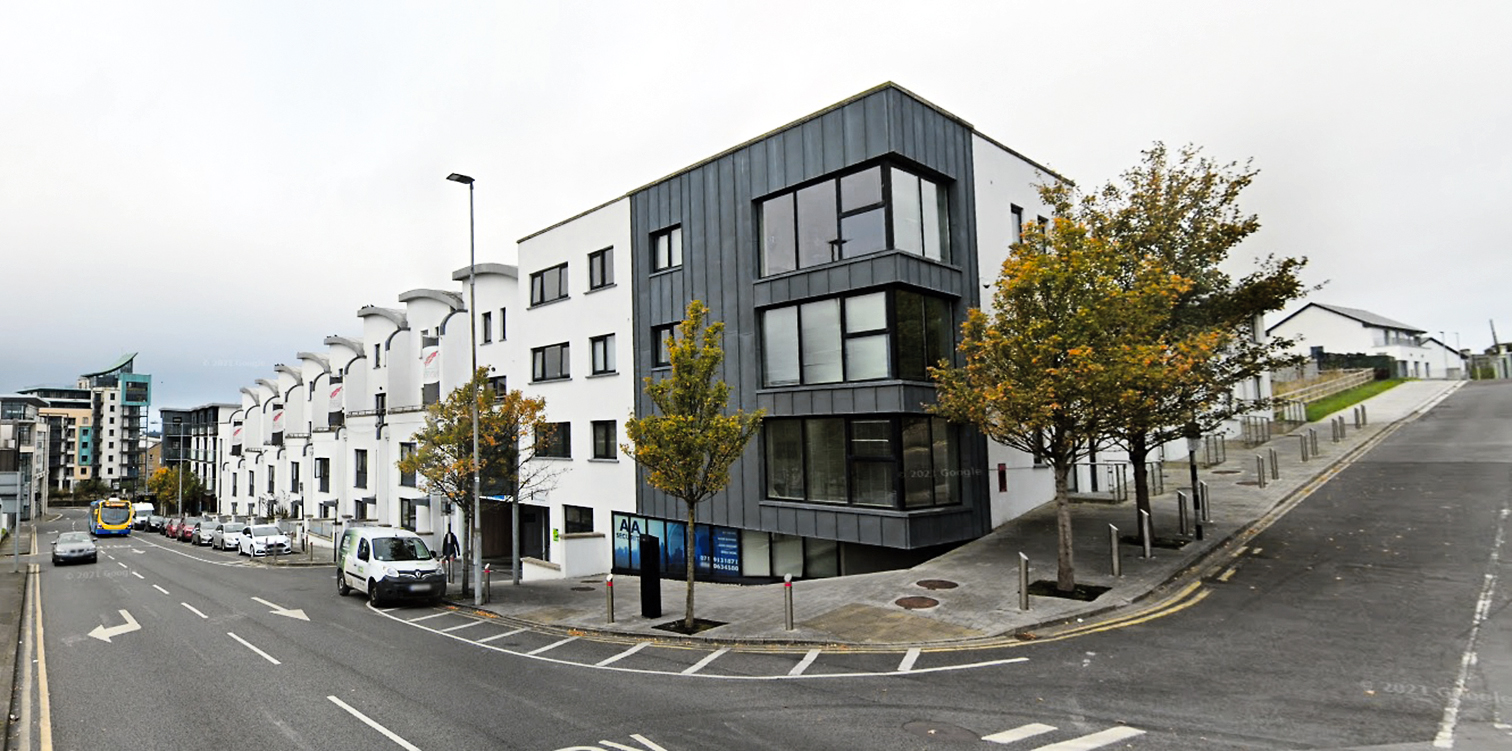
HIQA has released an inspection report of Milligan court IPAS centre located in Sligo town which was carried out over two different dates in February of this year. At the time of the inspection, there were 181 residents living in the centre which included 90 children. The centre comprises 46 own door family apartments and townhouses. The report details how there were 21 compliant measures examined, alongside 3 substantially compliant and 3 partially compliant.
From speaking to residents, and through observations made during the course of the inspection, the inspectors found that residents were supported to live independently and integrate into the local community. The staff were committed to ensuring the delivery of a person-centred service. Residents told them that they felt safe and were treated with kindness and respect. However, some improvements were required in relation to risk management, oversight systems and the management of special reception needs so that the service provider could be assured that residents’ needs were appropriately addressed. This was HIQA’s third inspection of this centre. The inspection was unannounced and it took place over two days. During this time, the inspectors met or spoke with nine adult residents and 11 children. In addition, 18 resident questionnaires were completed.
Milligan Court caters for families and accommodates residents across 46 townhouses and apartments. At the time of the inspection, there 181 residents living in the centre, 90 of whom were children. While the primary function of the centre was to provide accommodation to people seeking international protection, the inspectors found that 18 (9.94%) of the residents had received refugee, subsidiary protection or leave to remain status.
Residents said that they felt safe and supported living in the centre. Staff were described as approachable and supportive, and residents felt heard and listened to. One resident said that the staff were ‘‘unbelievable, so helpful’’, with a second resident describing staff as ‘‘very kind’’ and ‘‘accommodating’’. Another resident told the inspectors that staff were ‘‘good and supportive.’’ Residents were aware of the regular residents’ meeting that took place in the centre. Residents said that they were ‘‘really happy, get all kinds of assistance from staff.’’ Some residents told the inspectors that they had made complaints regarding changes to practice in the centre in the months preceding the inspection. Residents said that this feedback had been taken on-board by the service provider, and residents’ concerns had been appropriately addressed. The inspectors observed that residents were comfortable to talk with staff and ask for help. One resident told the inspectors that life in the centre was calm now and they felt things were getting back to normal as the staff were ‘‘good at what they do’’ and the centre manager would address any issues that arose.
This was the third inspection of Milligan Court. This unannounced inspection was carried out to assess compliance with the national standards. The inspectors found that the service provider was person centred in their approach, and were committed to ensuring a safe, good-quality service was delivered to residents. While some improvements were required in the areas of risk management and oversight of the centre, residents felt safe and their views were heard by the centre staff.
However, the inspectors found that some of the improvements to the governance systems were in the early stages of implementation and needed time and management oversight to become embedded within practice. For example, room checks carried out by staff had not identified a situation where the cot provided to a child was not suitable for their age or stage of development. This was addressed by the management team during the inspection, and the centre manager had identified the availability of appropriate beds and cots as an area to be assessed during room checks going forward. Room checks had not been completed monthly for all accommodation units, and the inspectors found that painting and repair works were not consistently identified or recorded on the appropriate systems. In addition, a regular agenda including, but not limited to, areas such as risk, complaints and safeguarding was being used at daily staff briefings. This standardised approach had not been consistently implemented across the relevant team meetings. While review meetings took place following incidents that had occurred in the centre, there was limited evidence of who attended the meetings, or that the centre manager had oversight to ensure trends were identified and learnings shared with the wider team.
HIQA said that while there was a reception officer procedure manual and a policy in place to identify, communicate and address special reception needs, they were noted to not be comprehensive. A review of the documents found that they contained limited information regarding the process for completing an assessment of vulnerabilities or special reception needs, and there were no timeframes outlined for the completion or review of assessments.
The policy and manual did not align with practice in the centre. However, the tools used by the reception officers to assess the needs of residents had been amended to reduce the complexity of the process, and there was a system in place to provide oversight of the assessments completed and the reasons why some assessments were outstanding.
Residents’ needs were known to staff, and referrals to additional support services had been made. Nonetheless, HIQA said the quality of some of the assessments was not comprehensive, records of referrals and the follow-up support offered were not consistently maintained, and some of the assessments reviewed had not been dated or the family name had not been recorded on the relevant forms.
Another element that the IPAS centre received a partially compliant note for was the privacy and dignity of family units. Families were accommodated together and had access to private living space within their apartments or townhouses. However, some of the bedroom configurations impacted residents’ right to privacy, and were not in line with the requirements of the Housing Act 1966. For example, some parents were required to share bedrooms with their children, while in other apartments siblings of opposite gender who were aged 10 years and over were sharing the same bedroom. In addition, the occupancy of four apartments were greater than the recommended occupancy by one person. In one of the apartments a child was sleeping in a cot that was not appropriate to their age or stage of development. This was addressed by staff during the inspection. These partially compliant measures were to be rectified by two dates at the end of March of this year. The report did not detail if these measures are now up to standard.